Maintenance of Reinforced Liner Pools: A Month-by-Month Guide
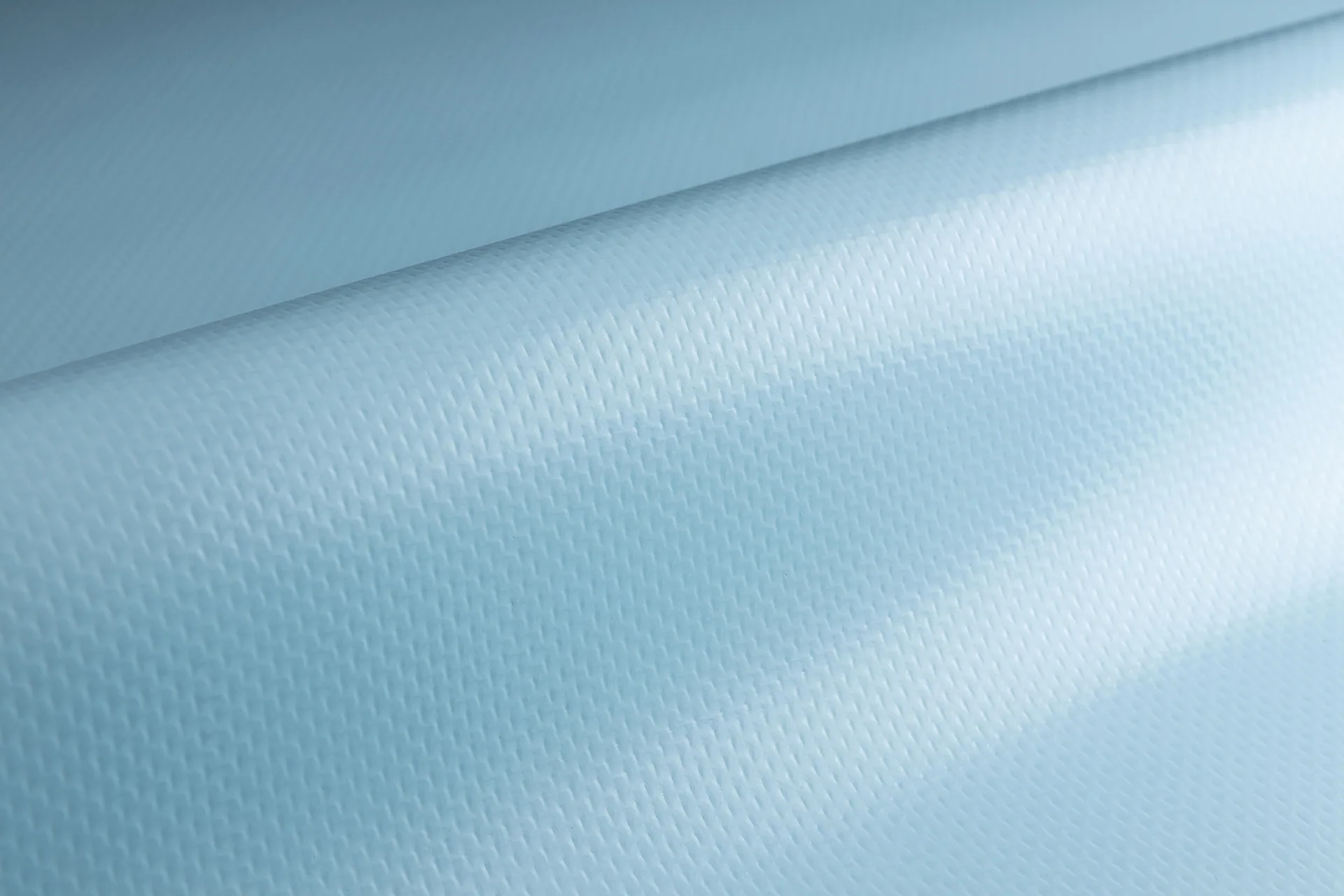
Owning a reinforced liner pool is an investment that, if properly maintained, can last between 15 and 20 years without major problems. Proper maintenance is essential to protect the PVC liner, keep the water in optimal condition, and avoid costly repairs. In this guide, we’ll explain, month by month, what you need to do to keep your pool looking perfect all season long.
Basics of Lined Pool Maintenance
Reinforced PVC liner is durable but sensitive to certain harsh chemicals. The main enemy of a PVC liner is chlorine in excessive concentrations and granular products that are applied directly to the liner without first dissolving. The water’s pH should always be maintained between 7.2 and 7.6. Below 7.2, the water becomes corrosive and can attack the membrane’s surface; above 7.6, chlorine loses its effectiveness and promotes the growth of algae and limescale. Free chlorine should be maintained between 0.5 and 1.5 ppm. Concentrations consistently above 3 ppm can discolor and damage the liner.
January–February: Winter, Pool in Winter Storage
Check the water level monthly: it should be kept approximately 20–30 cm below the rim to prevent frozen water from damaging the pool fixtures. Add a winterizing algaecide specifically formulated for PVC liners. Never apply powdered products directly to the liner; always dissolve them in a bucket of water before pouring. Visually inspect the condition of the winter cover and periodically remove any rainwater that has accumulated on it.
March: Preparing for the Season
Carefully remove the winter cover, clean it, and store it. Fill the pool to its normal operating level. Perform a complete water analysis: pH, chlorine, total alkalinity, calcium hardness, and cyanuric acid. Adjust each parameter gradually. This is the ideal time to visually inspect the entire surface of the liner: look for unusual wrinkles, discoloration, small holes, or areas where the liner has come loose from the fittings.
April–May: Start of the Season
The water begins to warm up, increasing the risk of algae growth. Increase the frequency of water tests to twice a week. Clean the bottom and walls with an automatic robot or a manual vacuum specifically designed for reinforced liners. Avoid metal wire brushes, which can damage the membrane; use only soft nylon brushes. Check that the pump, filter, and chlorine dosing system are working properly. Clean or replace the filter media if necessary.
June–August: Peak Season
During the summer, maintenance should be daily or nearly daily. Test the water every day if the pool is in heavy use. Evaporation is high, and adding fresh water can disrupt the chemical balance. Sun and heat accelerate chlorine breakdown, so it’s advisable to use cyanuric acid-stabilized chlorine or cover the pool at night with a thermal blanket. Clean the skimmer daily and empty the pump’s pre-filter basket every two or three days.
September–October: End of Season
At the end of summer, perform a chlorine shock treatment to eliminate accumulated germs. Adjust all water parameters before closing the pool. Add the winterizing agent, lower the water level, close the valves, drain the pipes, and put on the winter cover.
November–December: Annual Inspection
Take advantage of these months to have the liner professionally inspected. An ArgPiscinas technician can detect micro-perforations or areas of wear that aren’t visible to the naked eye and repair them before they turn into leaks. For professional, worry-free maintenance, count on the ArgPiscinas team. Visit argpiscinas.es and sign up for your annual maintenance contract.
You may also be interested in
How Much Does It Cost to Replace a Pool Liner in 2026? · Actual Installation Time for Reinforced Liner: Days Based on Size and Complexity · 10 Signs Your Pool Needs Urgent Renovation
https://www.argpiscinas.es/en/blog/mantenimiento-piscinas-lamina-armada-guia-mensual