Pool Waterproofing: Methods, Materials, and Why to Choose Reinforced Membrane
Waterproofing is the most critical aspect of any swimming pool. Without a reliable waterproofing system, water seeps in, the structure deteriorates, and maintenance costs skyrocket. In this article, we analyze the main waterproofing methods available in Spain and explain why reinforced membrane has become the preferred choice for professionals and homeowners.
Why Waterproofing Is So Important
A swimming pool is essentially a water reservoir under constant pressure. Hydrostatic pressure acts on all surfaces of the pool, seeking out any weak points through which to escape. If the waterproofing system fails, the consequences go beyond water loss: structural damage to the concrete, erosion of the surrounding soil, problems with the foundations of nearby buildings, and the spread of moisture.
A good waterproofing system must be resistant to water pressure, flexible enough to accommodate ground movement, durable against chemicals used in water treatment, and capable of withstanding extreme temperature fluctuations. In Spain’s climate, with temperature fluctuations of up to 40 degrees between summer and winter, this last requirement is particularly important.
Method 1: Waterproofing Paint
Pool paint is the most economical method initially. It is applied directly to the concrete after basic surface preparation. Paints specifically designed for pools (chlorinated rubber, epoxy, or polyurethane) create a protective layer that waterproofs the pool basin.
However, its durability is limited: between 3 and 5 years under normal conditions. It requires periodic repainting, which involves draining the pool, sanding, repairing, and repainting. In the long term, the cumulative cost exceeds that of more durable solutions. In addition, the paint is prone to peeling, especially in areas with intense sun exposure such as Andalusia.
Method 2: Polyester and Fiberglass
The polyester-fiberglass lining involves applying layers of resin and fiberglass fabric to the pool’s structure. It creates a rigid, waterproof layer with good chemical resistance.
Its durability is superior to that of paint, lasting 10 to 15 years. However, it has significant drawbacks. It is a rigid material that does not absorb ground movement well, so it can crack in areas with clay or unstable soil. Repairing damage is complex and costly. Additionally, the application process involves the use of resins containing volatile compounds that require ventilation and safety precautions.
Method 3: Mosaic and Tile
For decades, mosaic tiles have been the go-to finish for swimming pools in Spain. The small ceramic tiles offer remarkable aesthetic possibilities and the reasonable durability of the ceramic material itself.
The problem with mosaic tiles lies not in the tiles themselves, but in the grout. The mortar that bonds the tiles is the weak point: it deteriorates due to chemicals in the water, cracks with temperature changes, and allows algae and fungi to proliferate. True waterproofing depends on a layer beneath the gresite (usually a waterproofed plaster coat), not on the gresite itself. When this layer fails, leaks occur, and repairs require chipping away large areas of the lining.
Method 4: Reinforced PVC Membrane
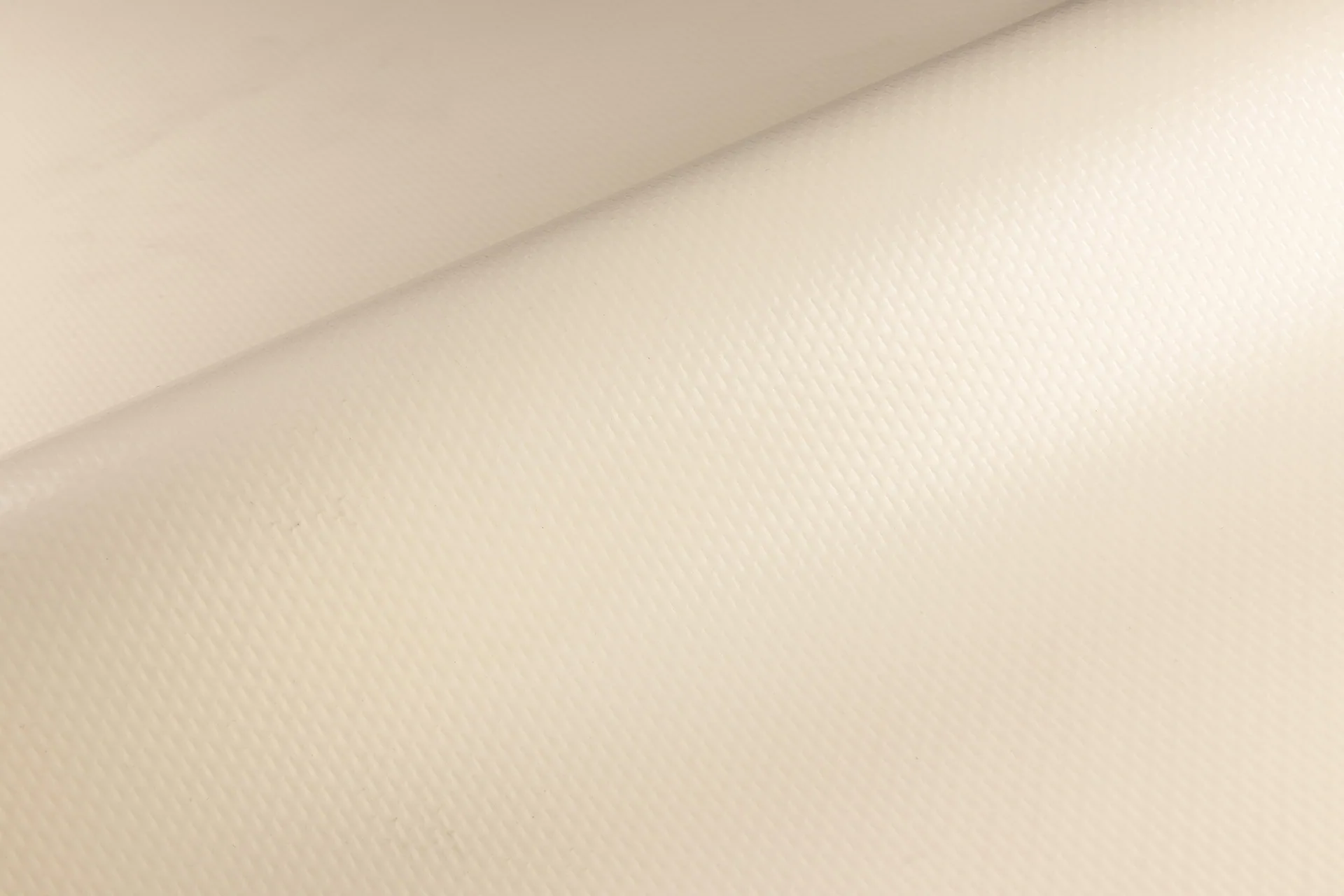
Reinforced PVC sheeting is a plasticized PVC membrane reinforced with a polyester mesh. This internal reinforcement provides exceptional mechanical strength while maintaining the flexibility needed to accommodate structural movements.
Installation is performed by heat-welding the membrane sections together using hot air, creating monolithic joints that are as strong as the material itself. The result is a continuous layer with no mortar joints, no weak points, and guaranteed waterproofing.
Durability: 15 to 20 years or more with basic maintenance. Resistance: withstands ground movement, extreme temperature changes, and water treatment chemicals. Maintenance: smooth surface that prevents algae from adhering and makes cleaning easy. Repair: Any localized damage can be quickly repaired with a welded patch; in many cases, there is no need to drain the pool.
Comparison of Methods
Paint: low initial cost, durability 3–5 years, high maintenance, easy but frequent repairs. Polyester: medium cost, durability 10–15 years, medium maintenance, complex repairs. Mosaic tiles: high cost, durability varies depending on the grout joints, high maintenance for grout joints, costly repairs. Reinforced liner: medium-to-high initial cost, durability 15–20+ years, low maintenance, simple and occasional repairs.
When calculating the total cost over 20 years, including repairs and renovations, reinforced membrane proves to be the most economical option in most scenarios.
Climatic Factors in Spain
The Spanish climate places specific demands on waterproofing systems. The high temperatures of the Andalusian summer cause materials to expand, while cool winter nights cause them to contract. This repeated thermal expansion causes fatigue in rigid materials but is easily absorbed by the flexibility of the reinforced membrane.
In coastal areas such as Cádiz, Málaga, or Marbella, environmental salinity accelerates the degradation of mortars and paints. Reinforced PVC membrane is chemically inert to salt, making it the ideal choice for swimming pools near the sea.
Signs of Waterproofing Failure
Detecting a waterproofing problem early allows you to take action before the damage becomes more severe. Watch for these indicators: a water level drop of more than 5 millimeters per day when the pool is not in use; moisture stains on the walls or floor around the pool; visible cracks in the lining; excessive algae growth despite proper chemical treatment; and an unexplained increase in your water bill.
Renolit Quality in Reinforced Membranes
Renolit is Europe’s leading manufacturer of PVC membranes for swimming pools. Its products comply with the most stringent European standards and are backed by decades of experience. The Alkorplan line offers thicknesses of 1.5 mm (standard for most pools) and 2.0 mm (for projects with special requirements), in a wide variety of colors and finishes.
Request professional advice
If your pool has waterproofing issues or you’re planning a new installation, contact ArgPiscinas. We’ll assess your situation with no obligation and recommend the best solution for your specific case. With reinforced liner, your pool will be protected for the next two decades.
You may also be interested in
How much does it cost to replace a pool liner in 2026? · Actual installation time for reinforced liner: days depending on size and complexity · 10 signs that your pool needs urgent renovation
https://www.argpiscinas.es/en/blog/impermeabilizacion-piscinas-metodos-lamina-armada